How NYJTL Filled a Kids’ Program With $420 in Ads
Filling a kids’ program doesn’t have to take a big budget.
NYJTL spent $420.47 and signed up 38 kids.
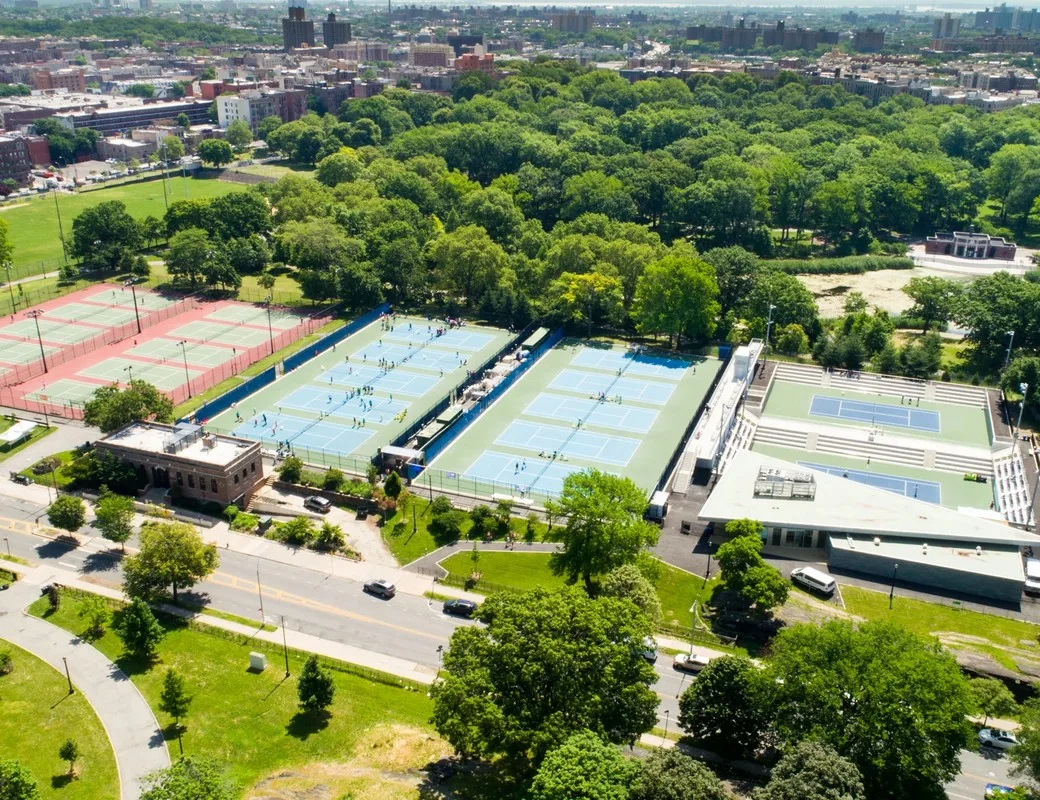
New York Junior Tennis & Learning (NYJTL) runs the Cary Leeds Center for Tennis & Learning in the Bronx’s Crotona Park. It had run children’s programs for years, but it had never put a real campaign behind one: an ad made for a single program, pointed at a page made for that program, with registration and payment that finished on a phone.
Until then, there was no page built for the program, and when a parent showed interest, there was nowhere to send them that could take a payment. So we built all of it. NYJTL’s coaches ran the classes, and we handled everything that got a family from a Facebook feed to a paid registration.
Here’s what $420 bought.
Step 1: An Ad That Answers the Questions First
The ad said what the program was and what it cost, printed right on the image where it couldn’t get cut off: six weeks, $99, racquet included. It was aimed at parents whose child had never played, and “racquet included” answered the most common objection before anyone had to raise it, since plenty of those families didn’t own one.
We ran eight versions on Facebook and Instagram, six photos and two short videos, all shot at the club. Registrations started slowly while the platform figured out who was responding, then came in steadily for the rest of the campaign.
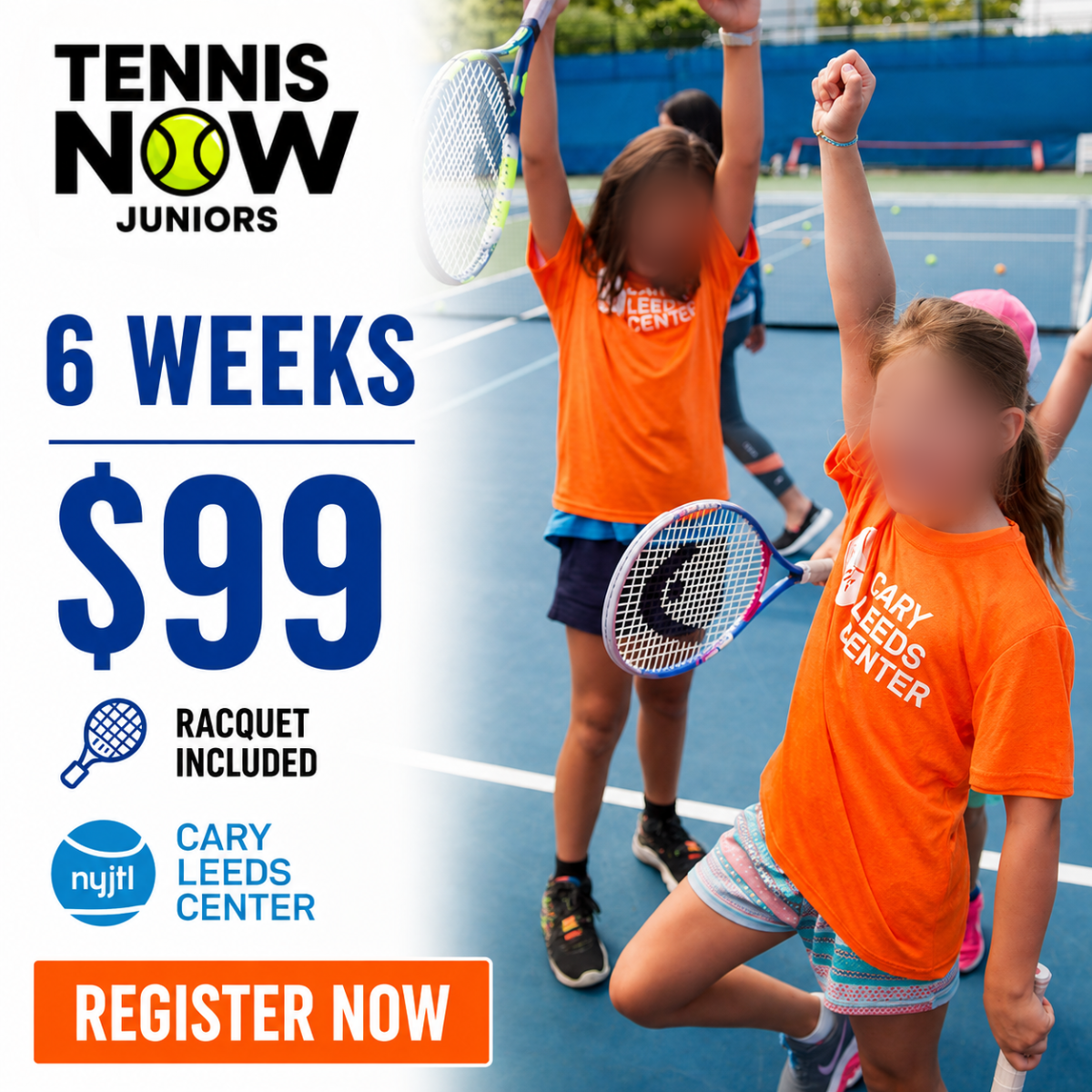 The ad that ran. Faces blurred for privacy.
Step 2: A Page About One Program and Nothing Else
Everyone who clicked landed on a page about Junior Tennis Now instead of the club’s homepage. It covered what a parent needs to decide: which ages (4 to 12, split into three levels), which days, when it starts and what it costs. We left off the menu of every program the center offers and the mission statement, because neither one helps a parent decide about this program.
Step 3: Registration That Finishes on a Phone
Parents signed up and paid right on the page, on their phones, in a few minutes, and a confirmation arrived immediately with the dates and what to bring. There was no account to create and no form to download, print and email back.
The Results
That $11.07 is the cost of putting a paying child on the court, which is a very different number from the cost of a click or a name on a list. Put another way, every dollar of ad spend came back almost nine times over.
By late September, five more children had registered, bringing the total to 43 of 48 seats. Five of the six classes sold out, and the last one, for the oldest age group, had five seats left.
The Dashboard Told a Different Story
Meta’s own report said the campaign produced 19 purchases at $22.13 each. The club’s order records showed 33 orders covering 38 children, and 34 of those children could be traced directly to the ads. If you’d judged the campaign on the dashboard alone, it would have looked twice as expensive as it really was.
We see this constantly. Ad platforms miss conversions all the time, and a club that only reads the dashboard can easily conclude that advertising doesn’t work when it’s actually working fine. That’s why we measure every campaign against the club’s own registration records.
- The ads were shown 27,159 times to 8,025 people
- 826 link clicks at an average of $0.51
- 38 children registered and paid while the ads ran
What We Learned From Reading Every Registration
After the campaign, we went through every registration, because that’s where next season’s plan comes from, and a few things stood out.
Parents plan ahead. Families typically booked about three weeks before classes started, so junior promotion needs to start earlier than most clubs think and keep running right up to the first day. The youngest players also filled first. The ages 4 to 7 level sold out in about two weeks, and at every level the weekday 5 PM class filled faster than Saturday.
It’s also very much a neighborhood program, with 84% of families living within five miles of the club, so a tight ad radius matters far more than reaching the whole city. And there’s an easy next audience sitting right there. Only one junior family also had a parent in NYJTL’s adult program, and parents who are already bringing a child to the courts are about the easiest adults a club will ever sign up.
What It Takes at Your Club
NYJTL isn’t a small operation, but this campaign was: four weeks, on a budget almost any club could find this month. What made it work was that the three pieces fit together. The ad made a clear offer to the right parents, the page answered their questions, and the checkout let them pay without any friction.
Any club with a kids’ program and a few empty spots can do the same thing, as long as all three pieces are in place. When one of them is missing, the other two can’t make up for it, and that’s usually where campaigns quietly fall apart.
The Big Takeaway for Clubs
A lot of clubs that try advertising and give up end up blaming the ads. More often, the ads were fine and something after the click let parents down. When the ad, the page and the checkout are built to work together, a few hundred dollars can fill a program.
Connect the ad, the page and the checkout, and a small budget goes a long way.
Want to Know What Your Ads and Pages Could Do?
Whether your ads aren’t producing registrations or you’ve never run them because you weren’t sure where to start, we’ll look at it with you. Book a free landing page audit, and we’ll walk through your page, your ads and your registration flow together on a 30-minute Google Meet, then tell you what we’d fix first.
Read More from